Aloria Travels - Destinations

Every landscape Sri Lanka has.

Thirty destinations across six categories, chosen for their broad appeal. Every entry has been selected for what it genuinely offers rather than for how frequently it appears in standard itineraries.
THE ACTIVE COAST - BEACH, SURF AND MARINE DESTINATIONS

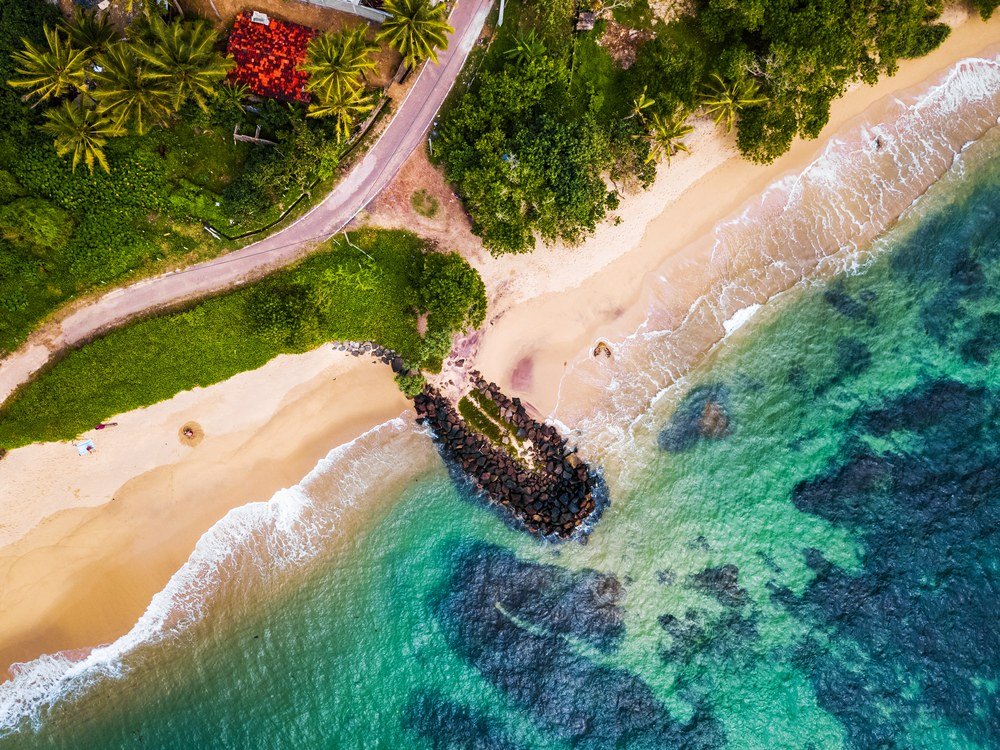
Sri Lanka’s coastline is not one thing. The southwest has surf culture, boutique beach towns and one of the world’s most reliable whale migration corridors. The south is wide, quiet and less visited than it deserves to be. The east coast is a completely different ocean in a completely different season. The northwest is fishing port territory.

Mirissa

Where the deep water begins and the blue whales arrive

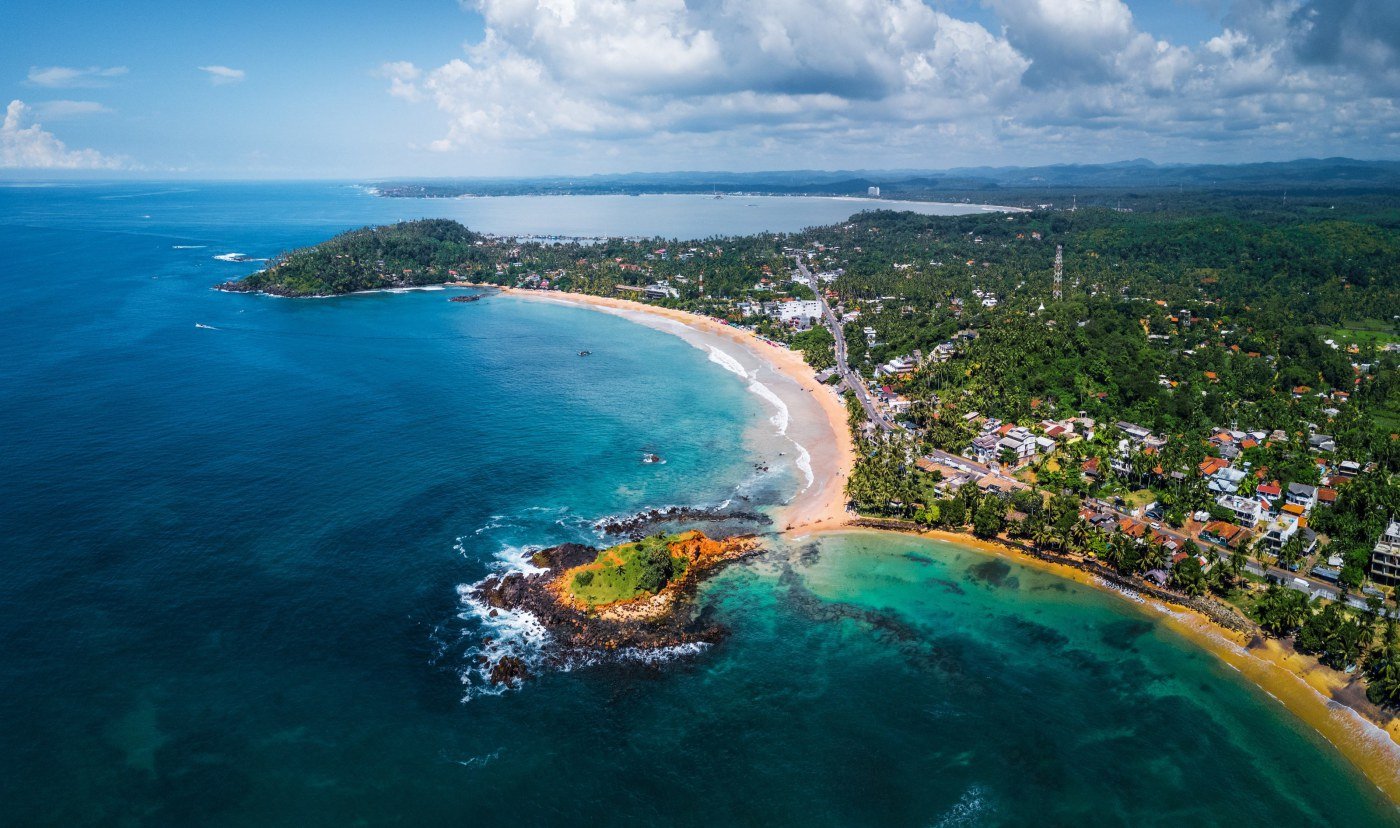
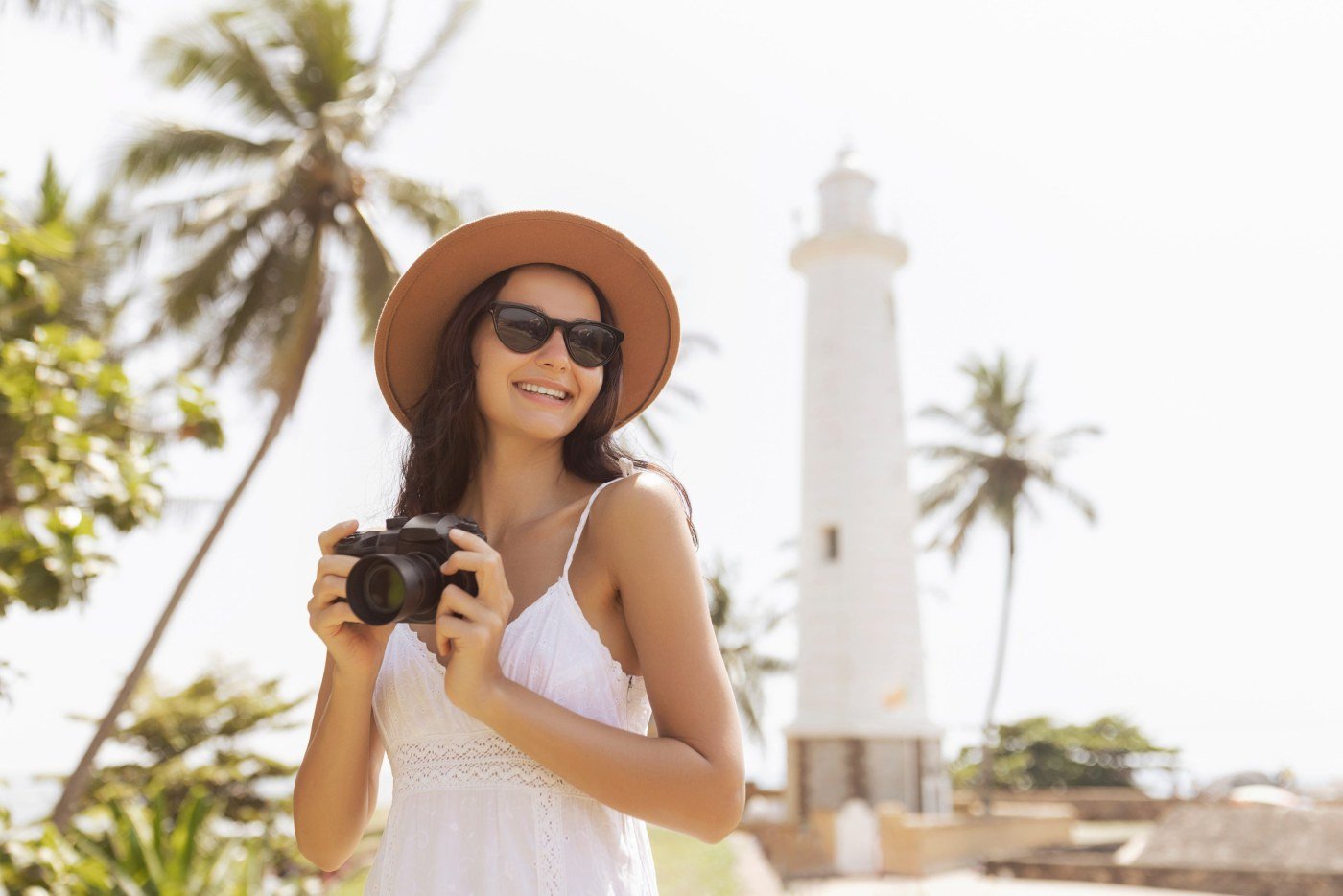
The deep-water canyon off Mirissa is one of the world’s most reliable blue whale migration corridors. From November to April, boats go out before dawn and return with encounters most people never get elsewhere. A wide beach arc with a lighthouse on the headland, a relaxed strip behind it and Polhena Reef offshore for hawksbill turtle snorkelling outside whale season.
Hiriketiya

The horseshoe bay that the surf crowd found and kept quiet

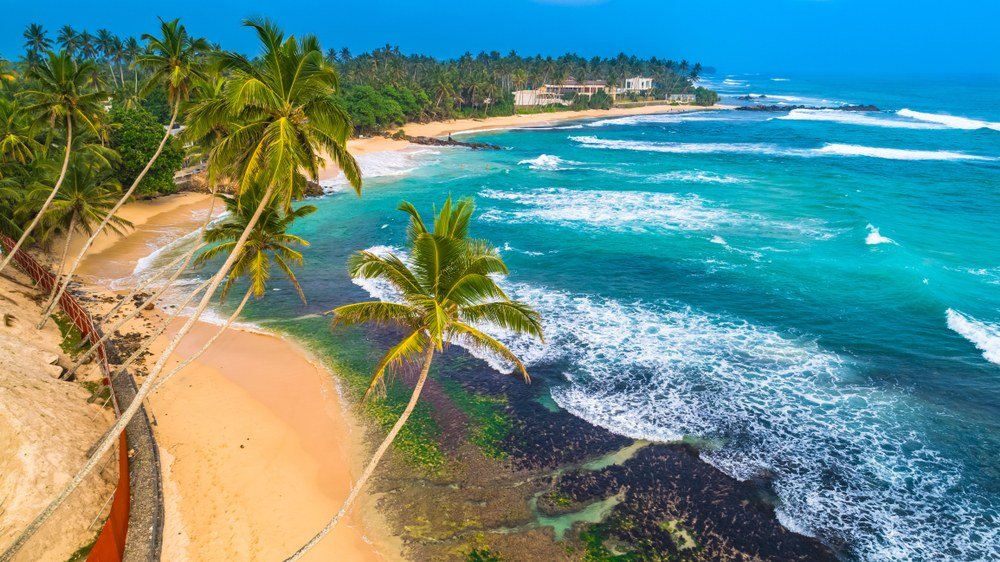
Hiriketiya is a bowl-shaped bay with a consistent beach break, warm water and a strip of genuinely good beach cafes behind the sand. It has the energy of a surf town that hasn’t quite been discovered yet, which is exactly why it keeps appearing in the itineraries of travellers who have been to Weligama and want something different.

Galle

A Dutch colonial sea fortress that never stopped being lived in

Galle Fort is a UNESCO World Heritage site that happens to also be a functioning town - boutique hotels, independent bookshops, art galleries and a Dutch Reformed Church from 1755, all inside 17th-century coral-stone ramparts above the Indian Ocean. Three colonial layers, Portuguese, Dutch and British, are legible in a single afternoon walk.

Tangalle

The wide quiet south coast before it became widely known

Tangalle has the south coast’s best combination of quiet and beautiful - wide empty bays, the Rekawa sea turtle nesting beach, and resorts that have more space and more privacy than anywhere further west. Specifically well-suited to travellers who have done the southern circuit before and want something that hasn’t been commercially packaged.

Arugam Bay

Sri Lanka’s east coast surf capital - and a genuinely good one

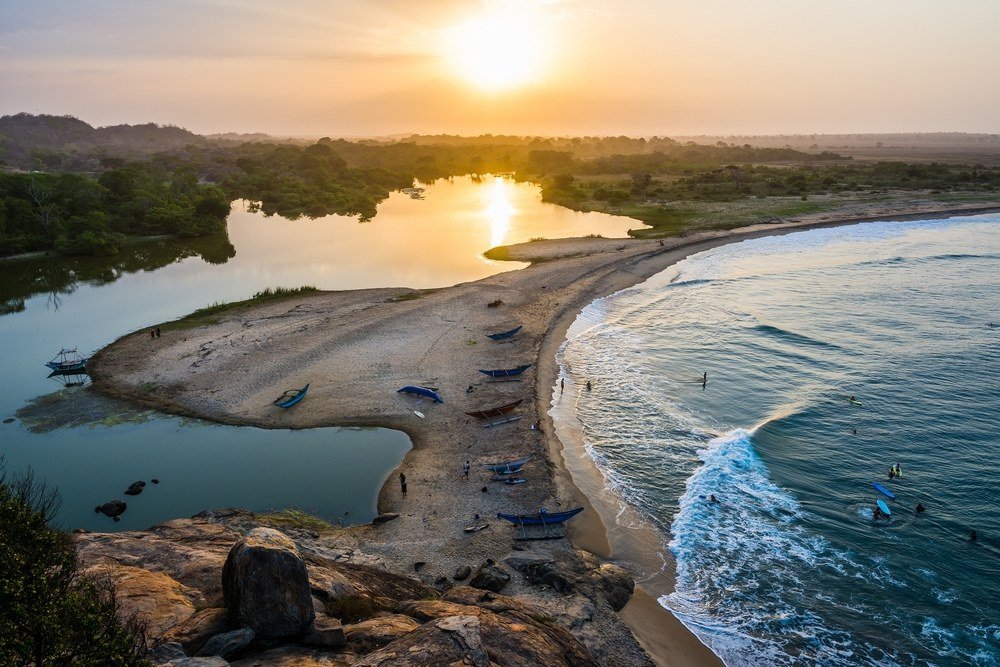
Main Point in Arugam Bay delivers a long right-hander from May to October that works for complete beginners and rewards experience. The town behind it is low-key in the way only places that haven’t been over-discovered can be - a few genuinely good restaurants, Pottuvil Lagoon five minutes away by boat and a pace entirely unlike the south coast.

Trincomalee

Natural deep-water harbour, Pigeon Island reef, east coast whale watching

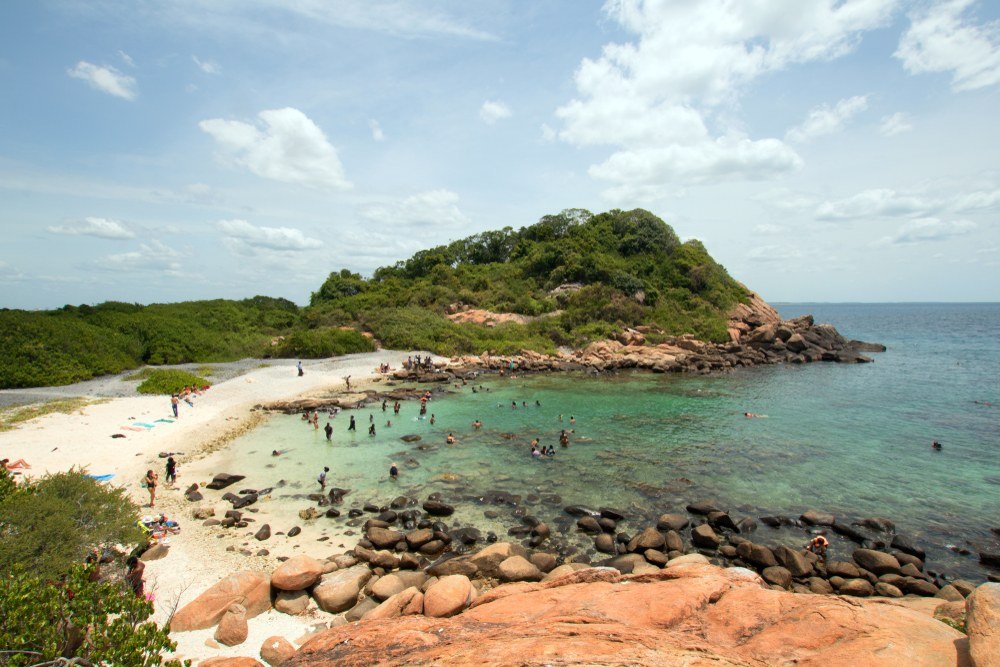
Trincomalee has one of Asia’s finest natural harbours and Pigeon Island National Park just offshore - blacktip reef sharks, sea turtles and coral in water shallow enough to snorkel from the shore. The clifftop Koneswaram Temple is the cultural centrepiece. From May to September the ocean here is in completely different condition to the south coast, which makes it an excellent pairing for those catching both seasons.

Weligama

Warm waves, fishing boats and the most forgiving surf break in the country

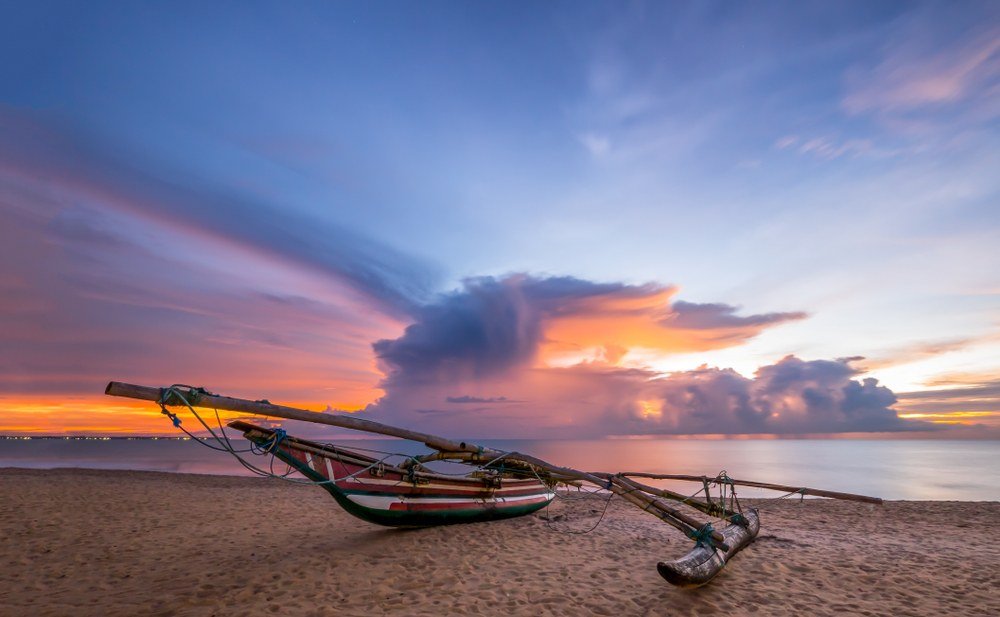
Weligama Bay has a long gentle right-hander that works for complete beginners on day one and keeps improving the more time you spend in the water. The fishing village behind the bay is still a working port - boats out before 5am, the morning catch laid out at the harbour by mid-morning. The restaurants that have opened here are genuinely good.

Negombo

The coastal town that opens and closes every Sri Lanka journey

Seven kilometres from Bandaranaike International Airport and consistently underestimated. The Dutch canal network, the lagoon fish market at dawn and Portuguese Catholic church architecture give Negombo considerably more than its transit-stop reputation suggests. Worth an evening at minimum.

Mirissa Whale Watching Point

One of the world’s most reliable blue whale corridors

Sri Lanka sits above a deep-water canyon where blue whales and sperm whales migrate reliably from November to April. Pre-dawn departure from Mirissa harbour, out beyond the headland into deep water, and then, on a good morning, a blue whale surfacing. Spinner dolphin pods are regular company. Responsible licensed operators only, with strict distance standards from all animals.

Pasikudah

The flat-water east coast lagoon

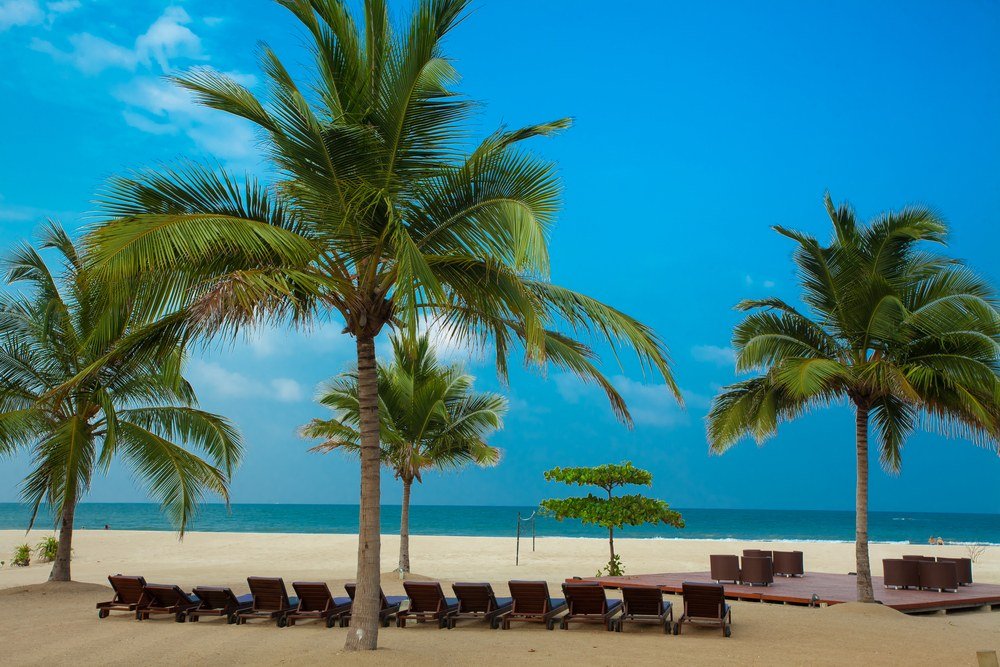
Pasikudah’s bay is enclosed by a reef that keeps the swell out and the water flat and clear, the calmest swimming conditions in Sri Lanka. The resorts here are newer and more resort-oriented than the south coast options, which suits families and travellers who come specifically for private beach time and watersports rather than surf or adventure.

Ella

The highland town almost everyone finds difficult to leave

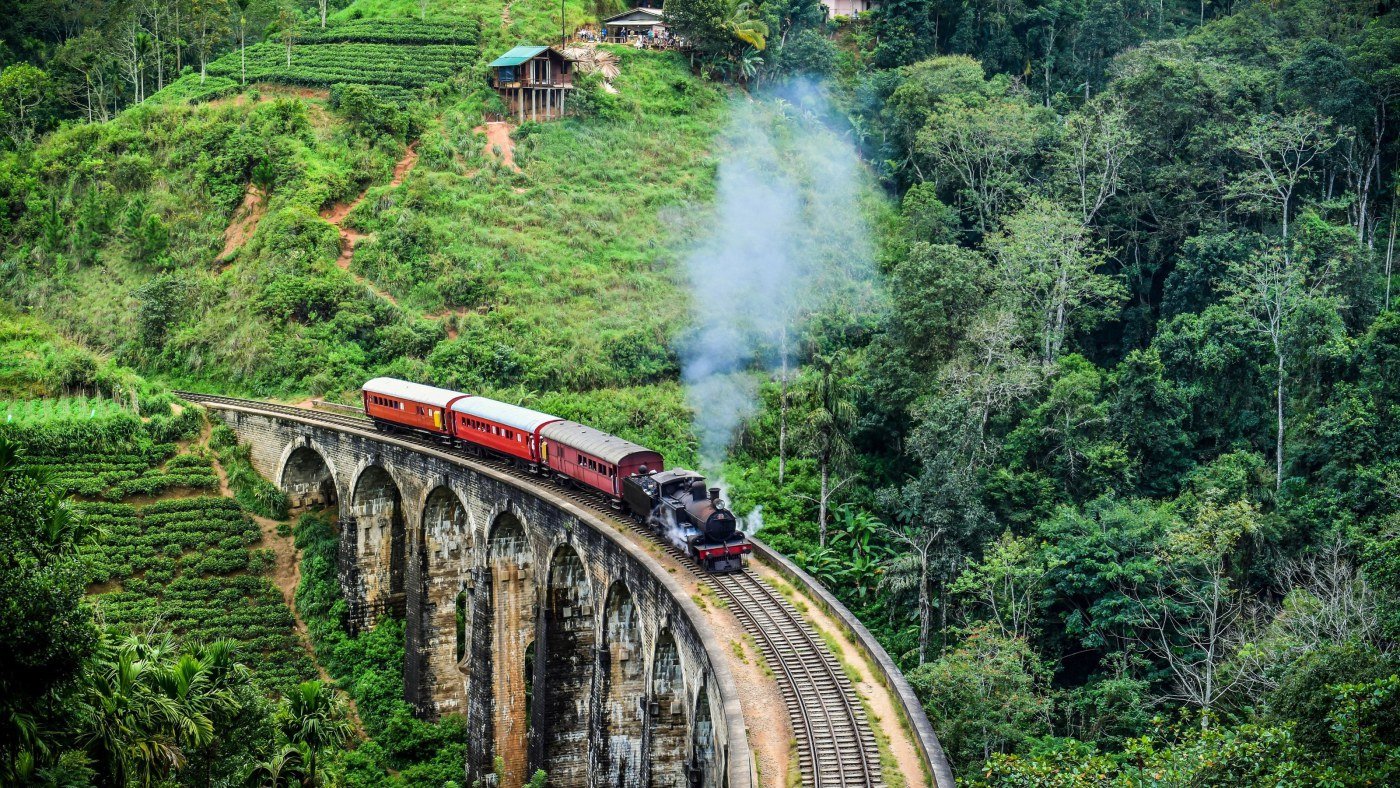
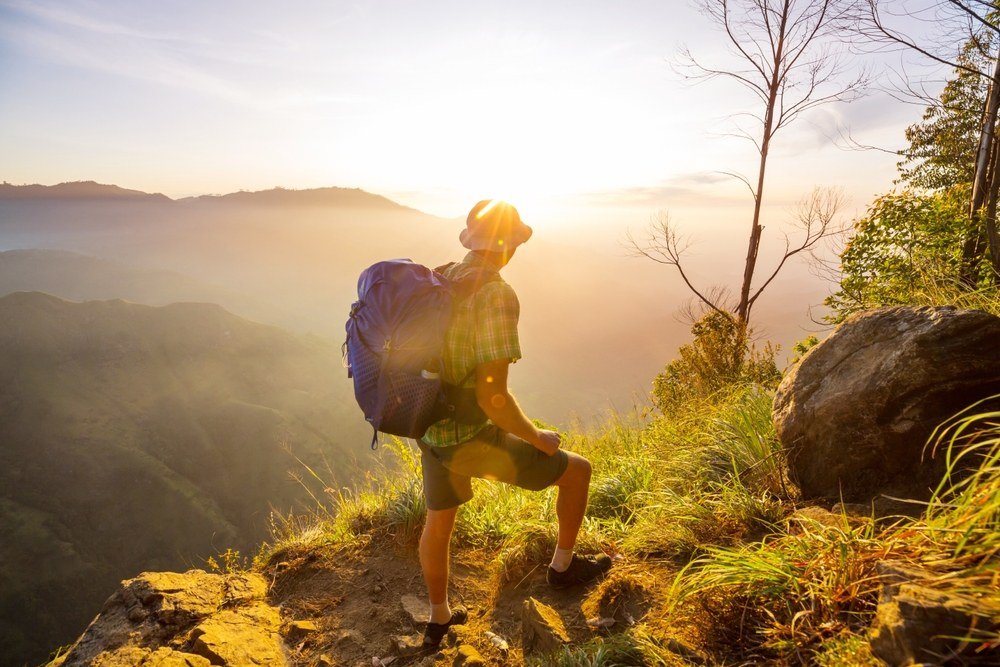
Ella works because several things coincide - a dramatic valley gap with a view 40 kilometres south, tea estates within walking distance of the village, the Nine Arch Bridge as the island’s most photographed structure, and a genuinely good independent food and cafe culture. The village is small, the pace is right, and at the correct time of morning, early, mist still in the valley, it is very close to…

Nuwara Eliya

The colonial hill station at 1,868 metres - still faintly Victorian

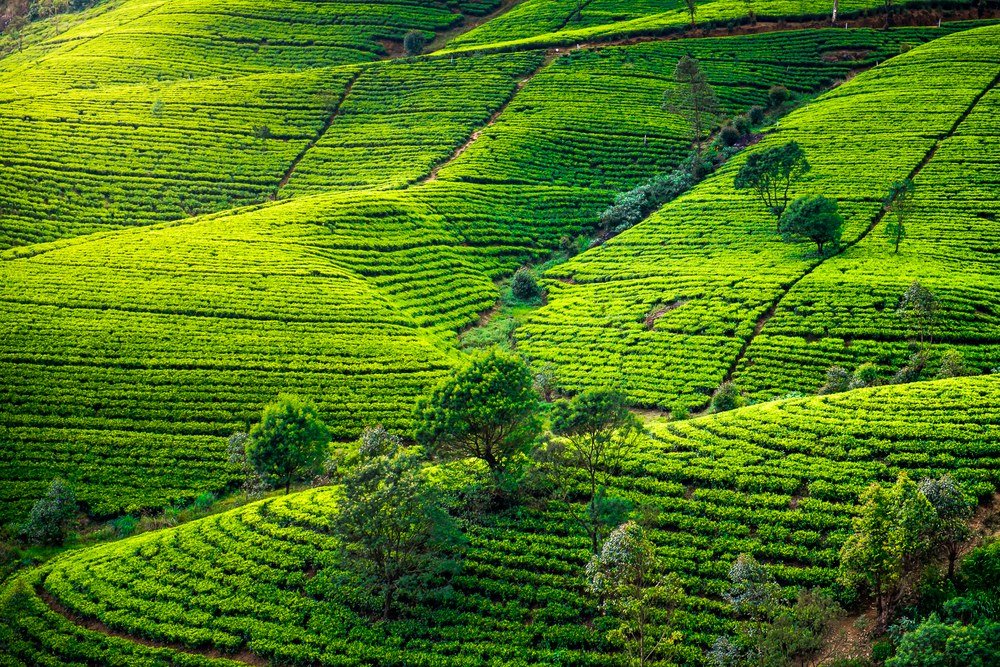
Nuwara Eliya was built by the British to feel like home, and the result is genuinely strange and wonderful - a Victorian post office, a racecourse, a hill club with a dress code and tea estates stretching across every visible hillside. The cold air, the colonial buildings and the estate landscape combine into something unlike anywhere else in South Asia.

Knuckles Mountain Range

UNESCO biosphere reserve - Sri Lanka’s most underrated highland landscape

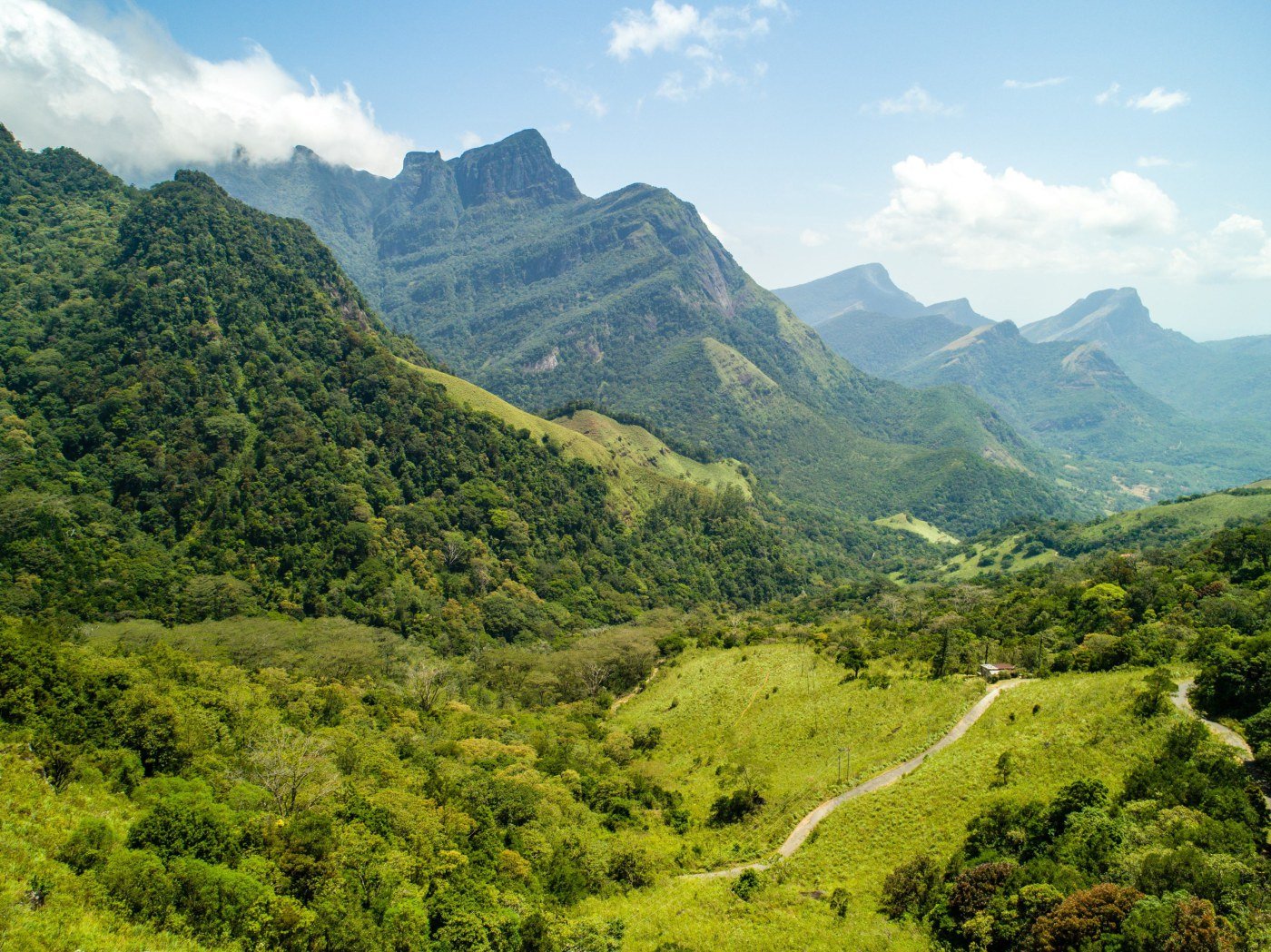
The Knuckles are a separate highland ecosystem east of Kandy - cloud forest above 1,500 metres, endemic wildlife, river crossings and trails that range from gentle village paths to full-day ridge routes. Almost none of Sri Lanka’s standard itineraries include it, which is one of the best things about it. For travellers who want wilderness rather than organised beauty, it is worth two days.

Horton Plains

The roof of Sri Lanka - a plateau that simply ends at World’s End

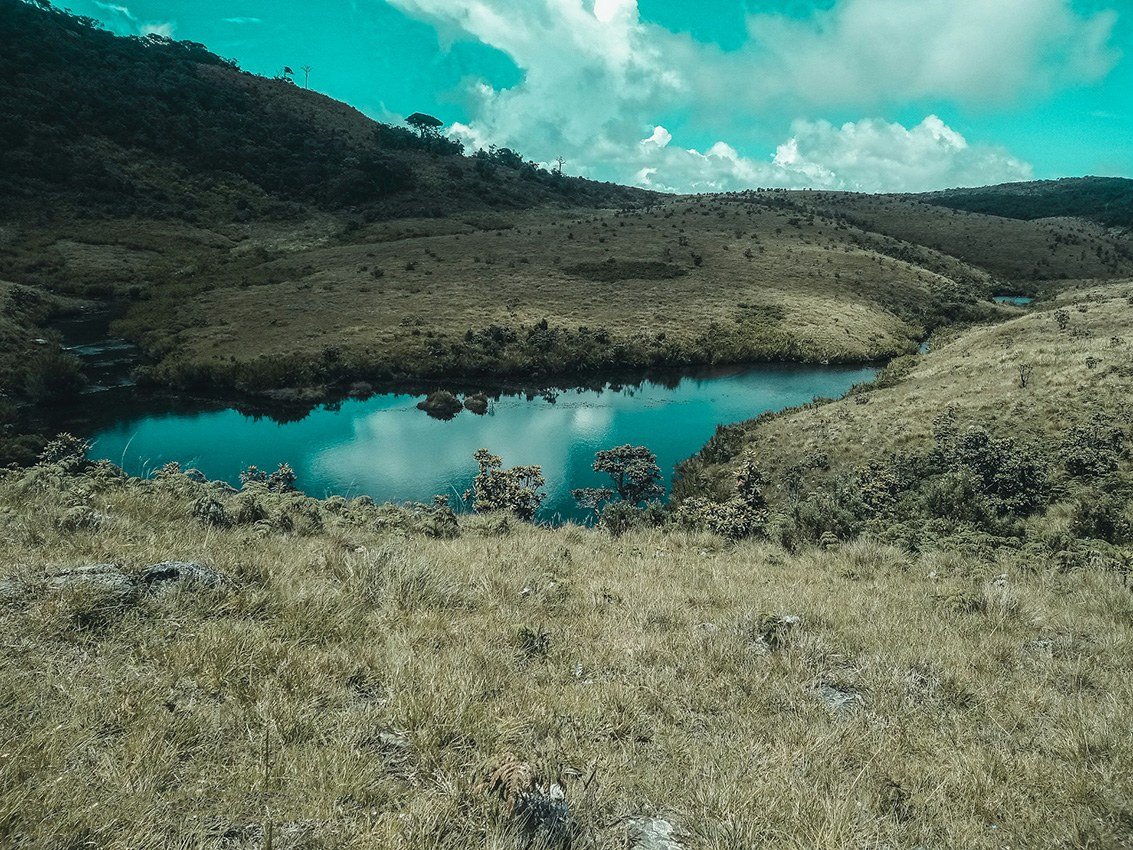
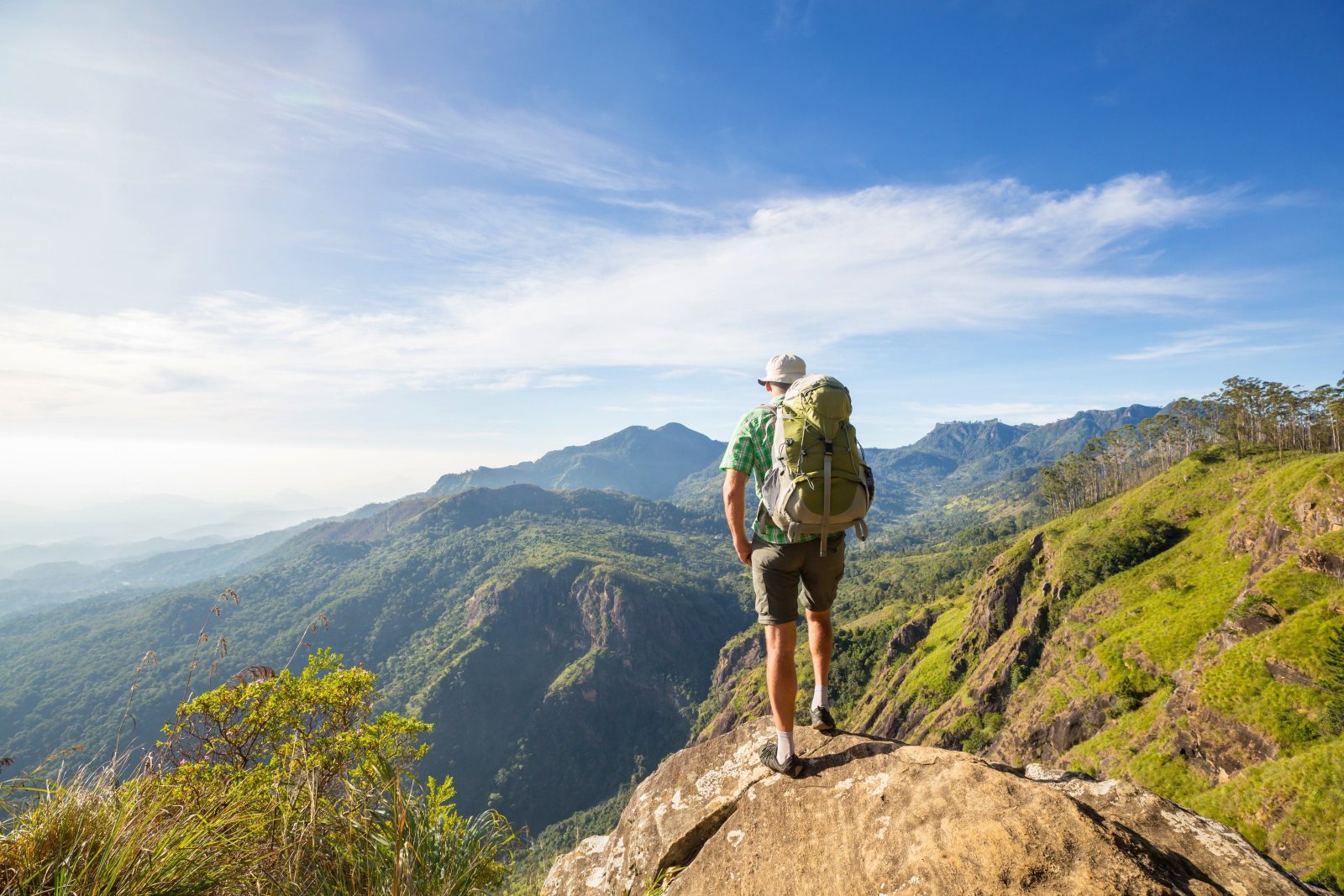
At 2,100 metres, Horton Plains is the highest and flattest landscape in Sri Lanka. The 9-kilometre circular trail passes through montane cloud forest to World’s End, a sheer escarpment where the plateau simply stops and the plains 900 metres below open out on a clear morning. Baker’s Falls on the return route. The dawn departure is non-negotiable.

Kitulgala

Rainforest gorge, Grade 4 rapids and a David Lean filming location

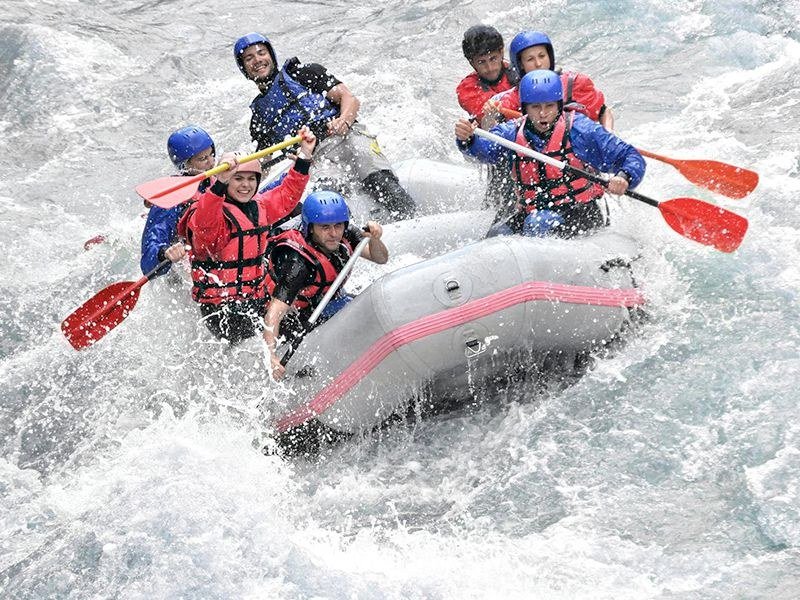
The Kelani Ganga at Kitulgala runs Grade 3 to 4 rapids through a gorge where the rainforest comes down to the water on both sides. The Bridge on the River Kwai was filmed here in 1957 and the original bridge supports are still visible in the river. About 12 kilometres of water, certified operators and safety kayakers throughout. Finished by noon, with the afternoon free.

Sigiriya

A 5th-century royal fortress that rewrites your understanding of ancient engineering

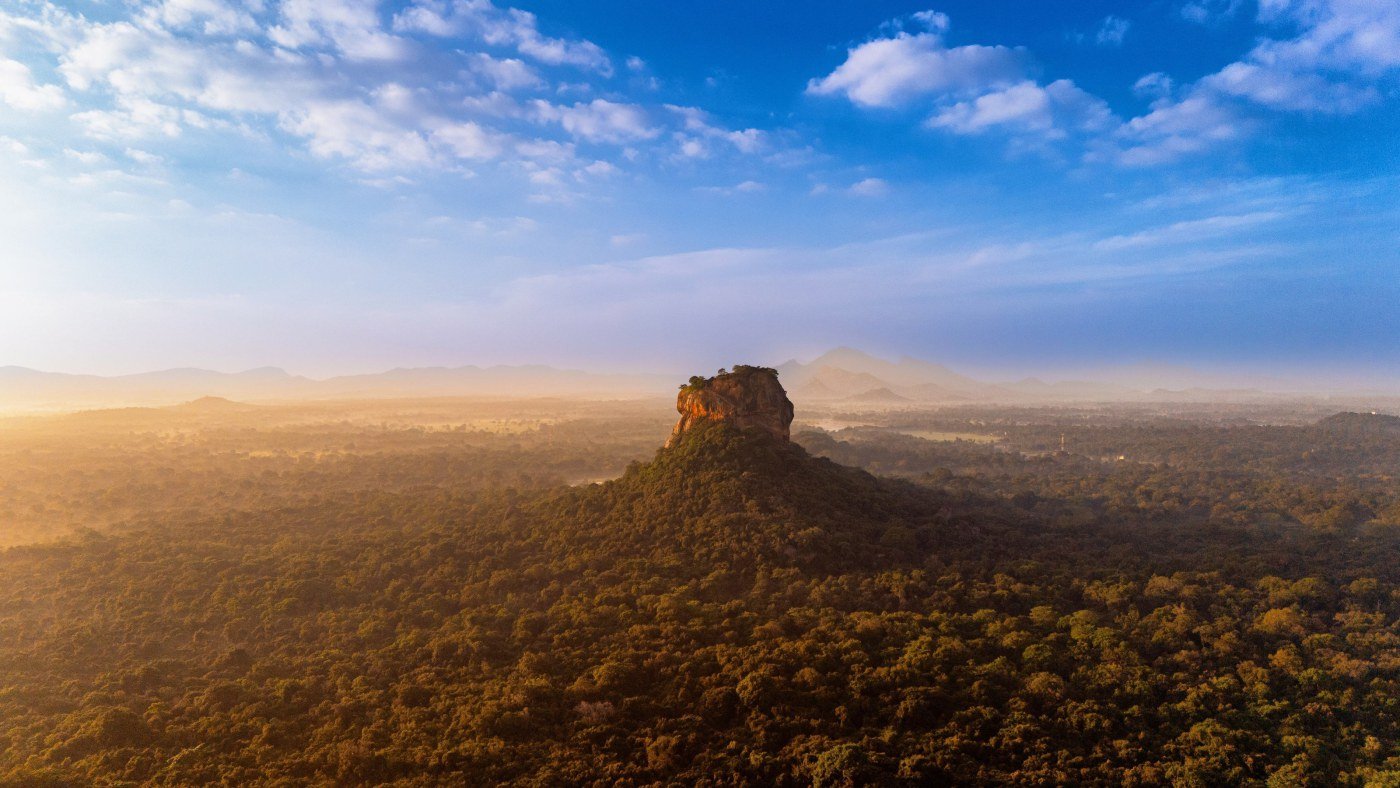
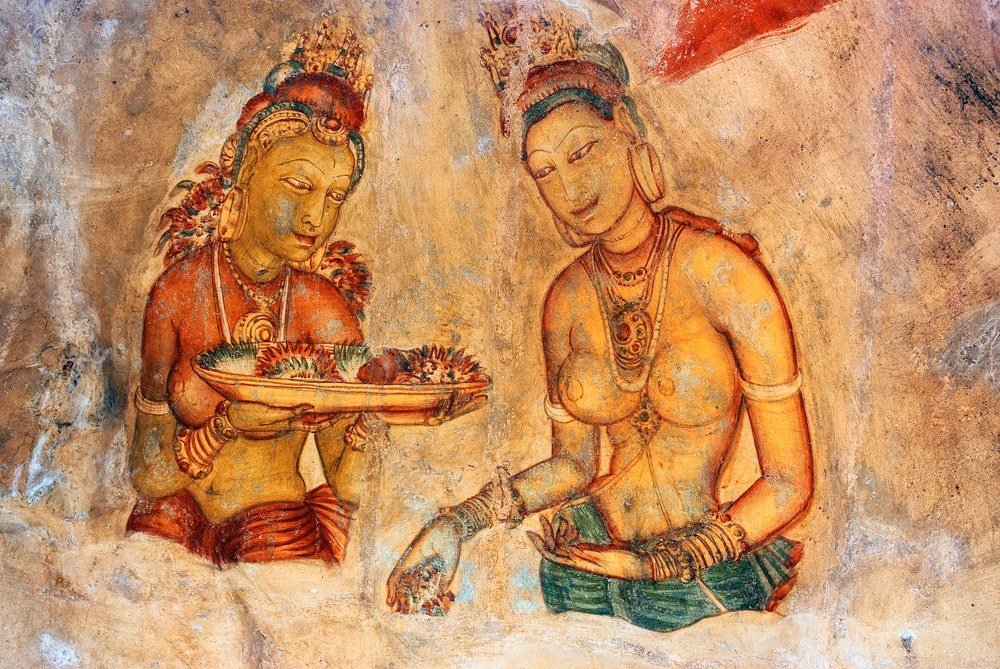
The hydraulic water gardens at the base are engineering from the 5th century AD. The frescoes painted onto the sheer rock face have survived 1,500 years. The Mirror Wall is inscribed with devotional poetry spanning a thousand years of visitors. The summit view at first light, across the Cultural Triangle, is everything the photographs suggest and something they cannot capture.

Anuradhapura

Sri Lanka’s first royal capital - occupied for over a thousand years

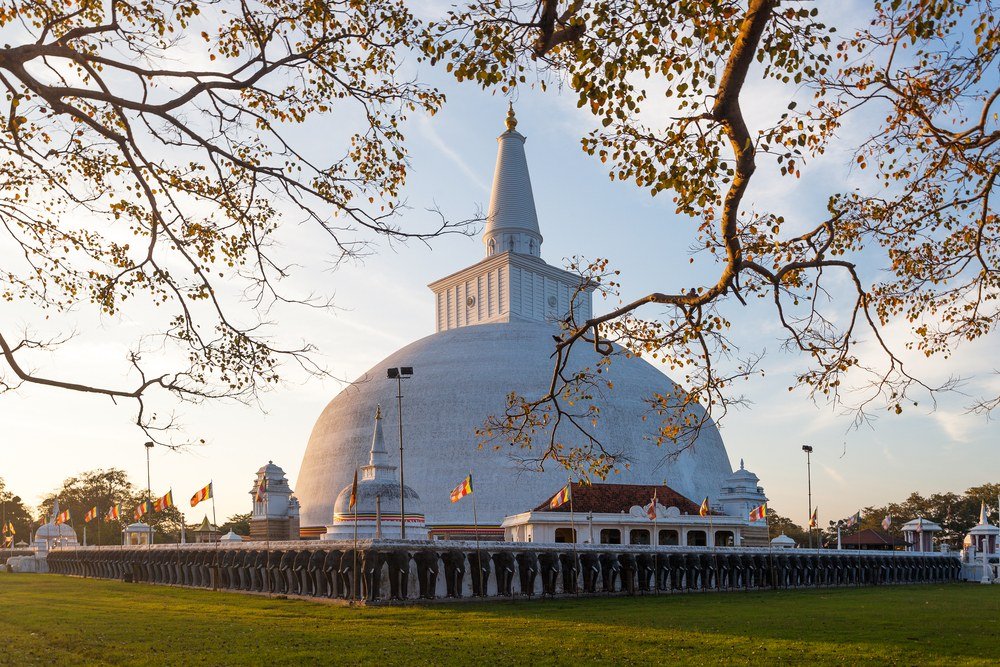
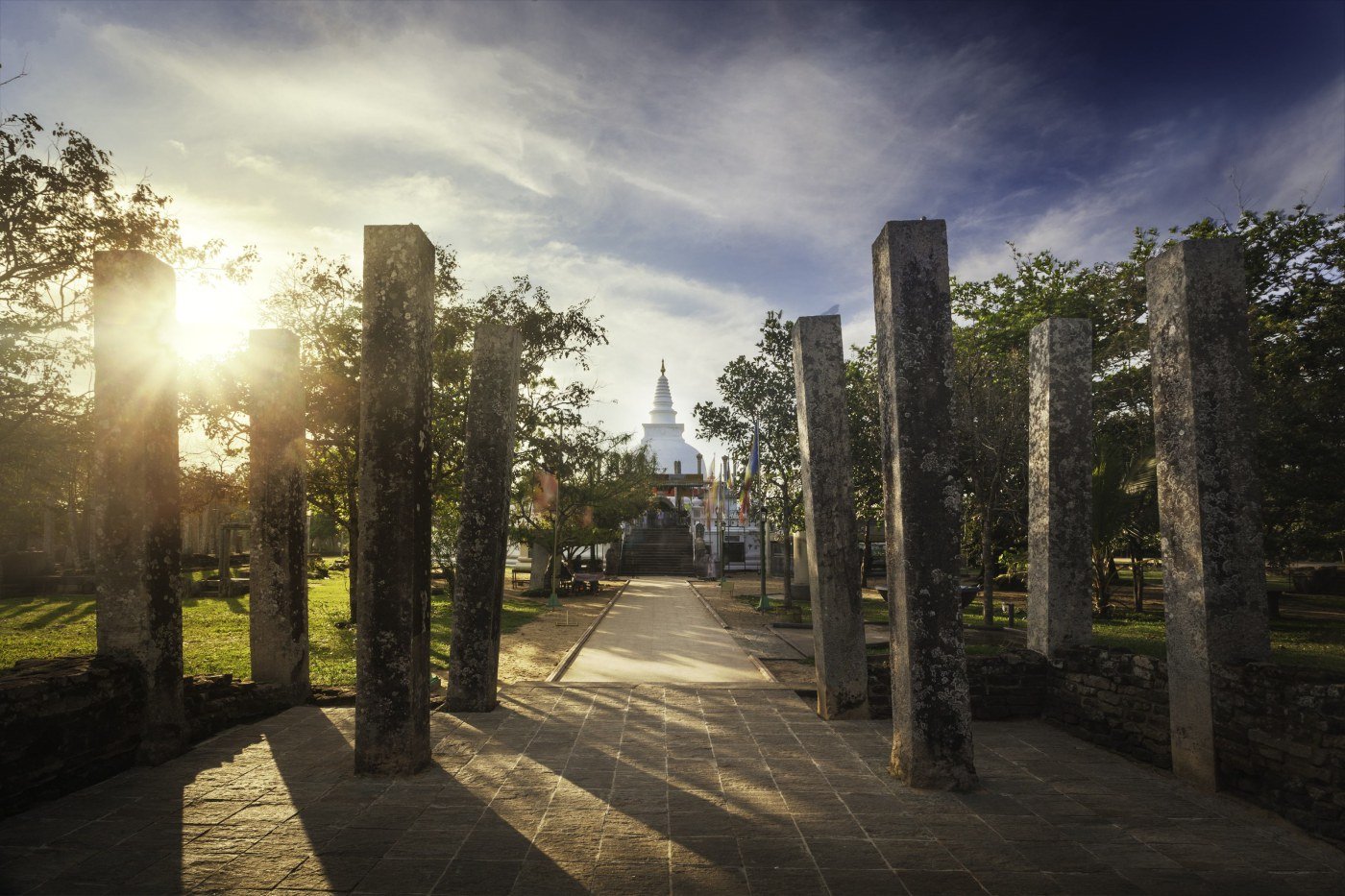
Founded in the 4th century BC and in use as the island’s capital for over a millennium. The Sri Maha Bodhi Tree, a cutting from the original Bodhi Tree planted in 288 BC, is considered the most sacred tree on earth. The Ruwanwelisaya Dagoba stands 55 metres tall. By bicycle with a specialist archaeology guide, it becomes a story rather than a list of monuments.

Polonnaruwa

The medieval capital - better preserved than Anuradhapura and easier to navigate

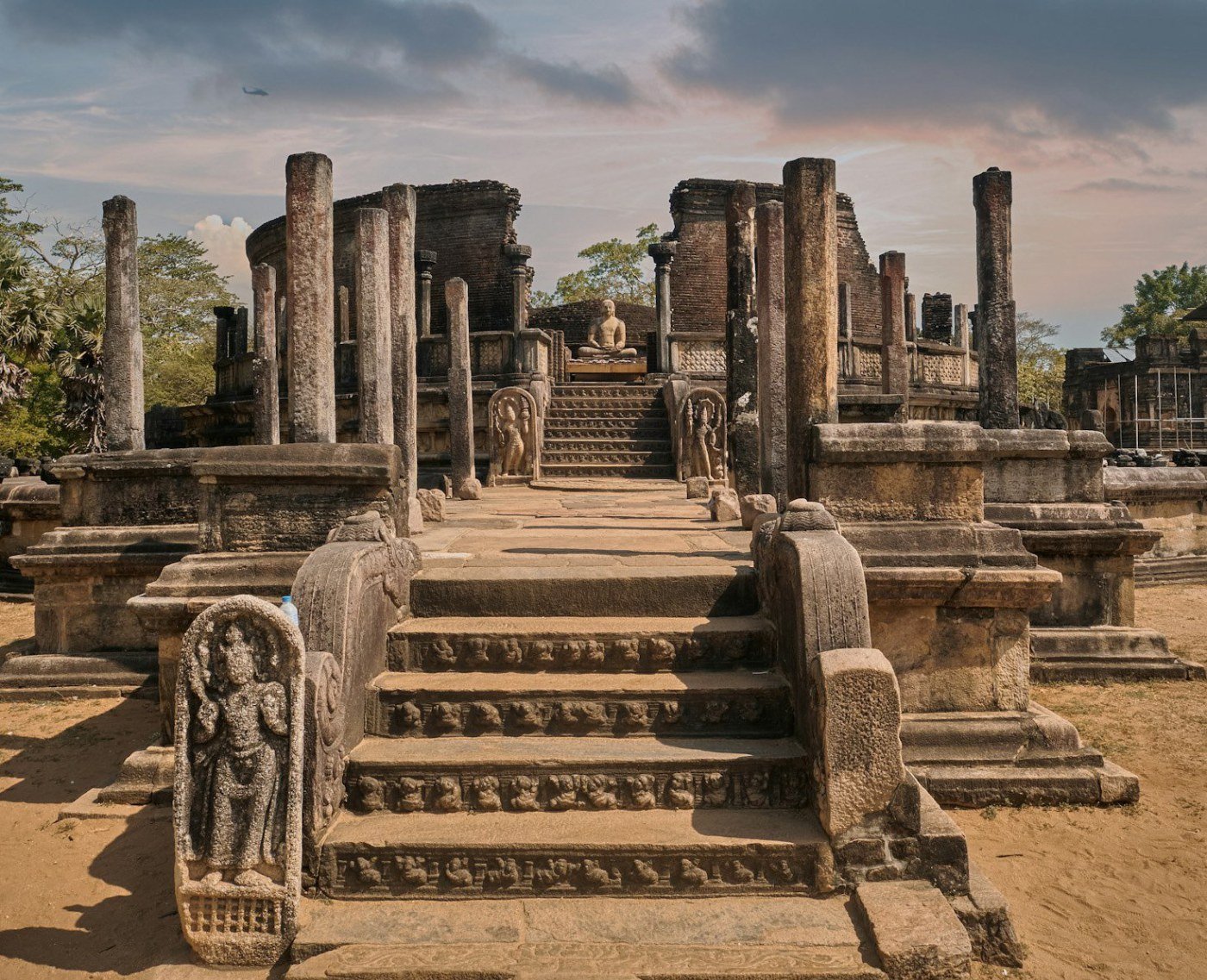
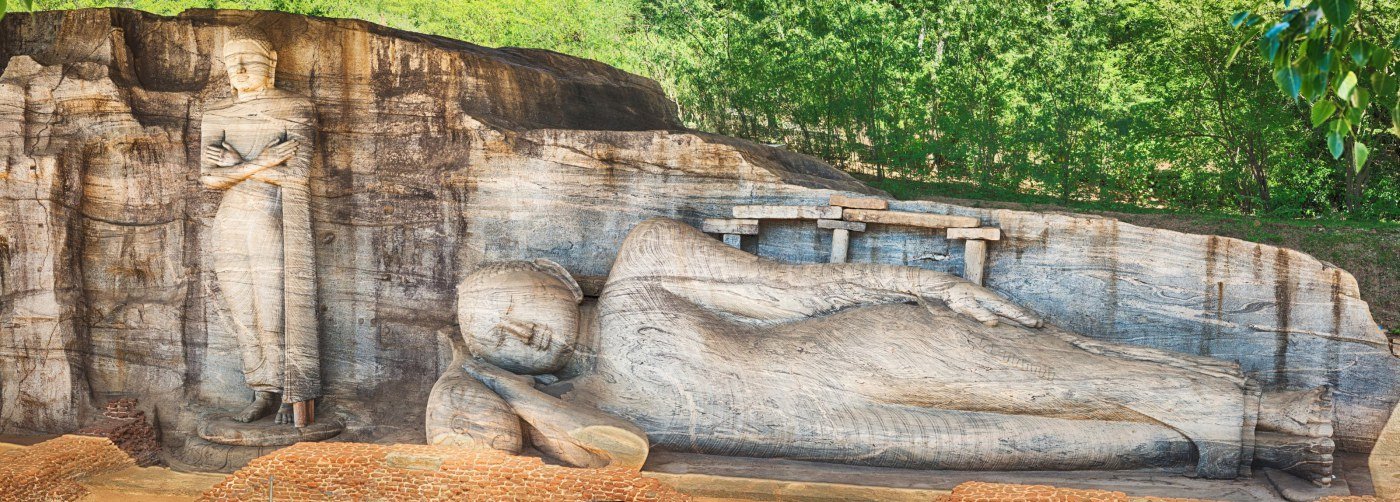
Polonnaruwa was the island’s capital from the 10th to 13th century, and what remains is unusually compact and legible. The Royal Palace complex, the Sacred Quadrangle and the Gal Vihara, where a 15-metre reclining Buddha and a 7-metre standing Buddha were carved from the same granite rock face, are extraordinary by any standard.

Kandy

Sri Lanka’s last royal capital - still the cultural heart of the island

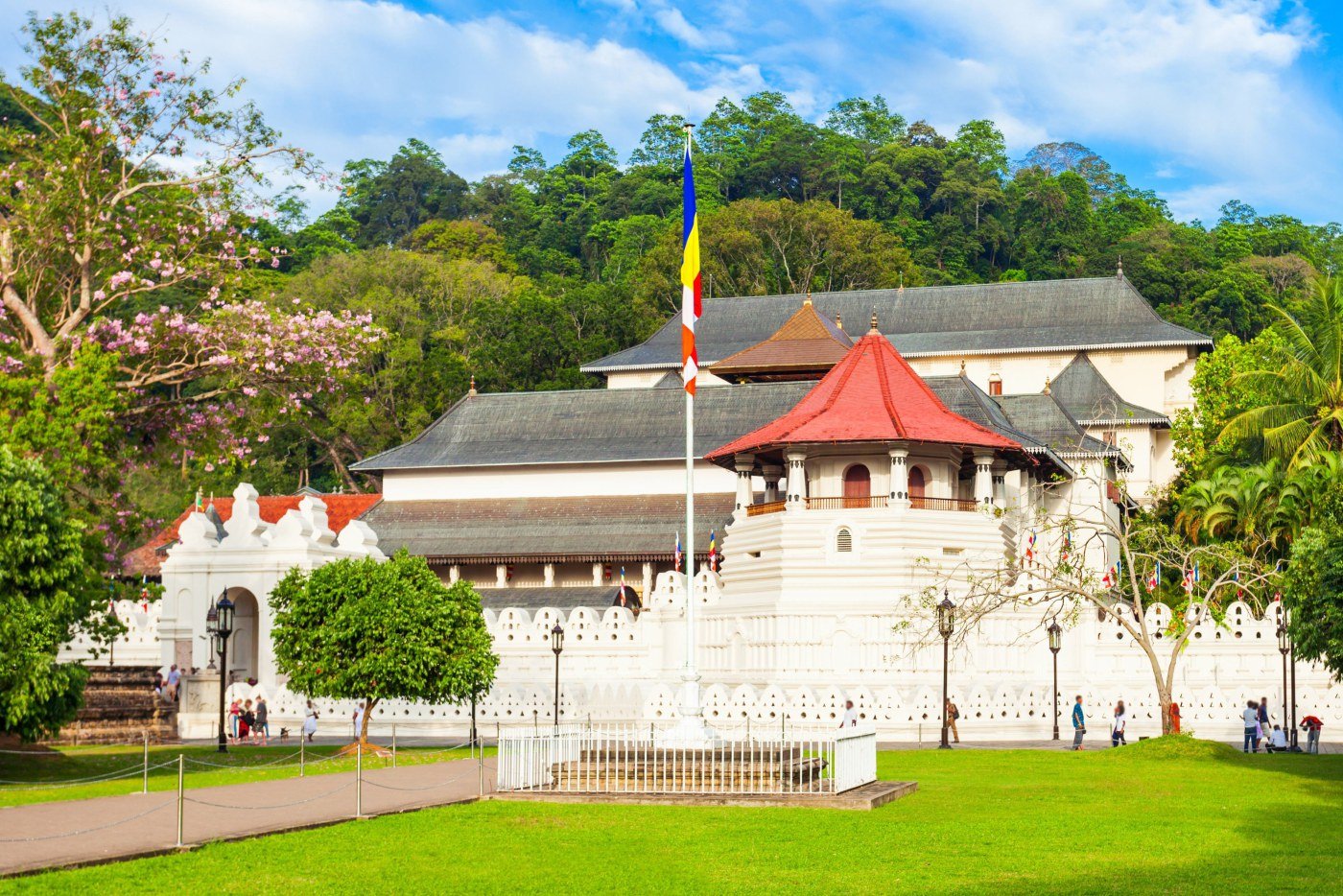
Kandy carries a weight the other cities don’t quite match - the Temple of the Sacred Tooth Relic at its centre, the lake beneath the hills, the Kandyan dance tradition and the Esala Perahera in July and August, when the streets fill with elephants, drummers and fire. The Botanical Gardens at Peradeniya are among Asia’s finest.

Dambulla

Five rock-hewn cave shrines, 150 gilded Buddhas and two thousand years of continuous devotion

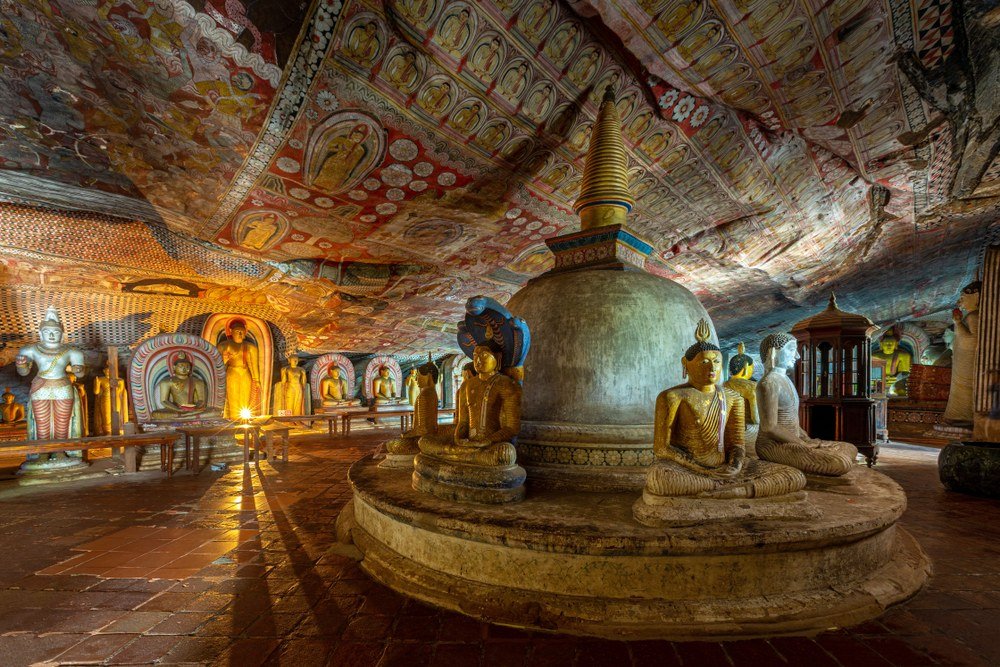
Dambulla’s five cave shrines were first used in the 1st century BC and have been in continuous use and renovation ever since. The ceiling murals cover every surface in imagery spanning two thousand years of Buddhist devotion. Cave 2 has the finest paintings, and the light inside is diffused and gentle in the afternoon.

Yala National Park

World-record leopard density - and everything else besides

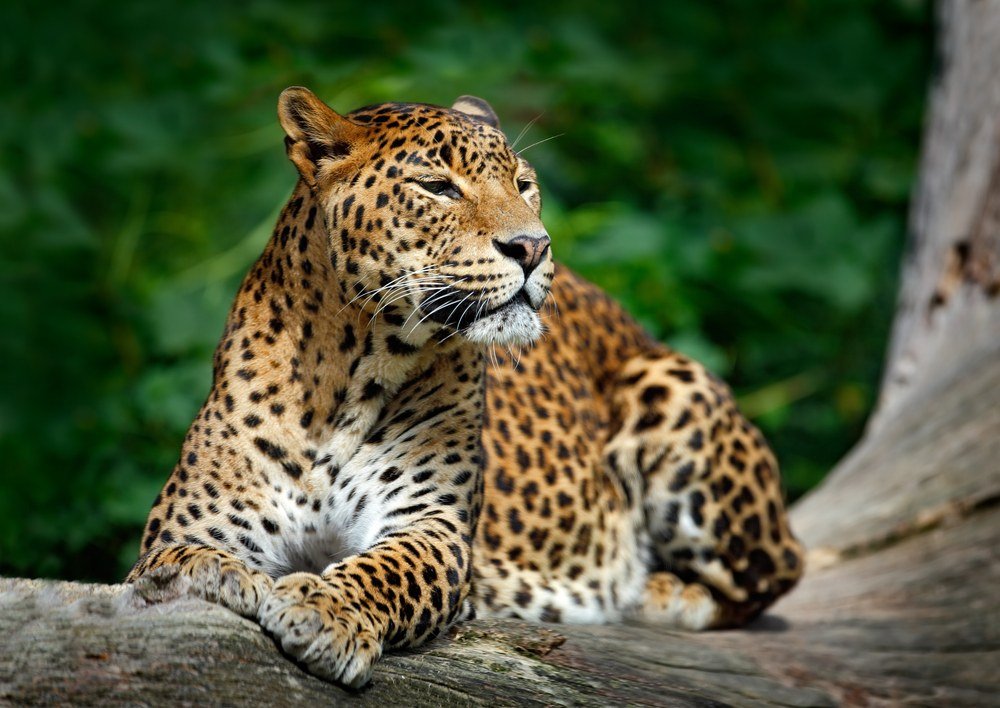
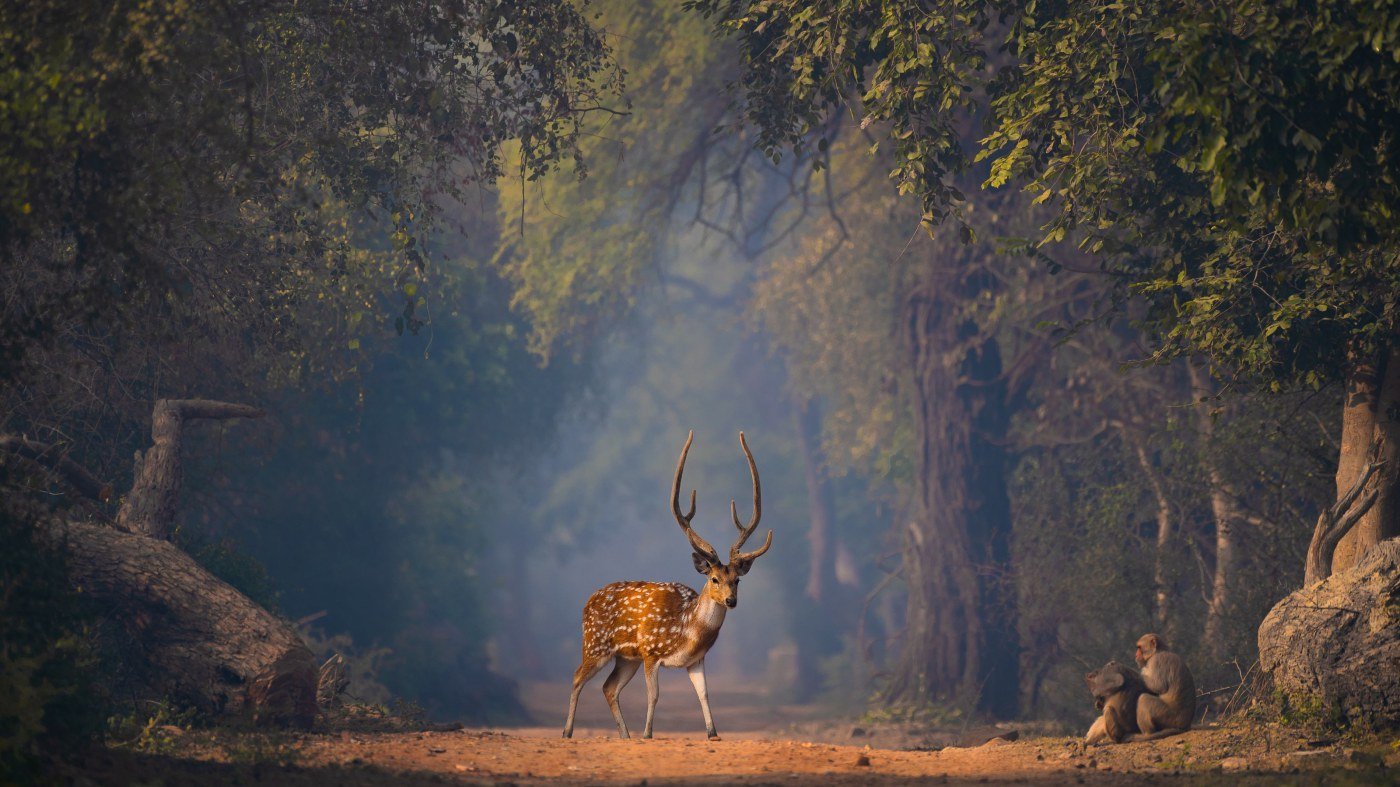
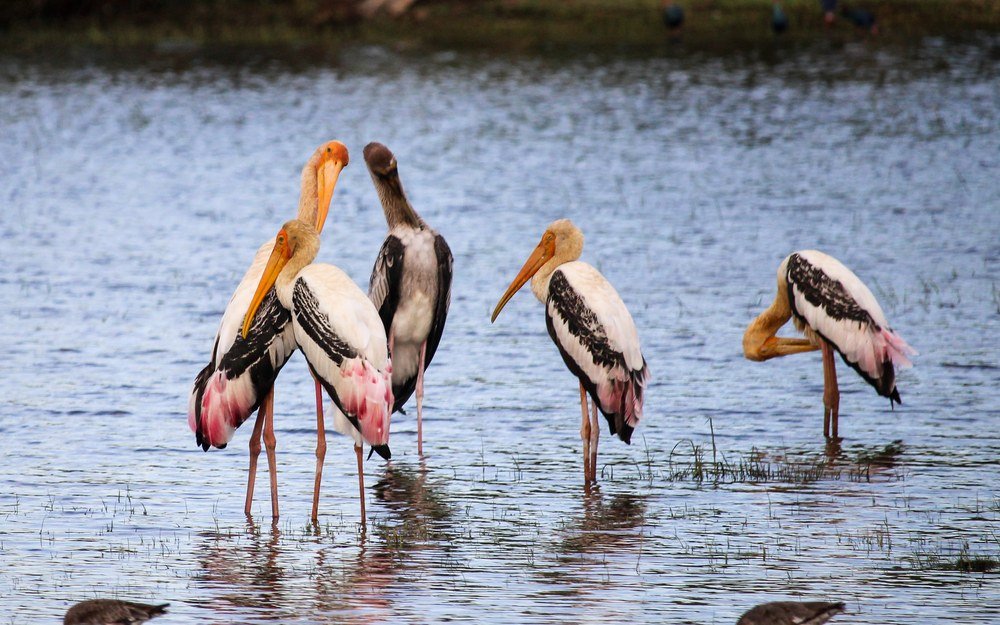
Block 1 of Yala is the most productive leopard habitat on earth by density. Wild elephants, sloth bears, mugger crocodiles, painted storks and flamingos in the coastal lagoon, a supporting cast that would be headline news anywhere else. A private jeep with a dedicated specialist tracker makes the difference between a good morning in the bush and one you talk about for years.

Udawalawe National Park

Wild elephants in open grassland - the most reliably productive park in Sri Lanka

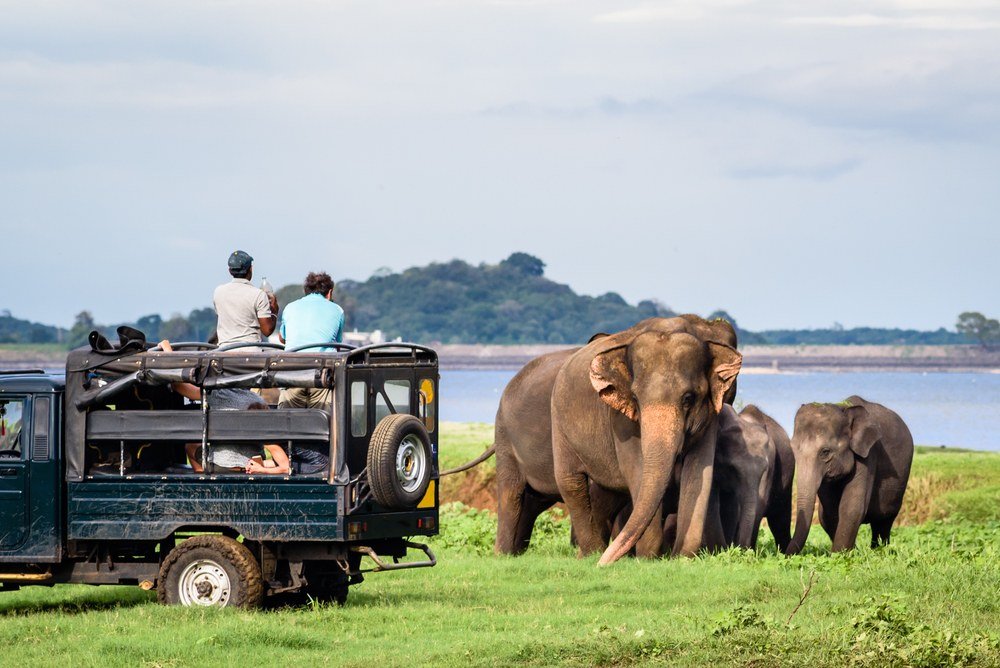
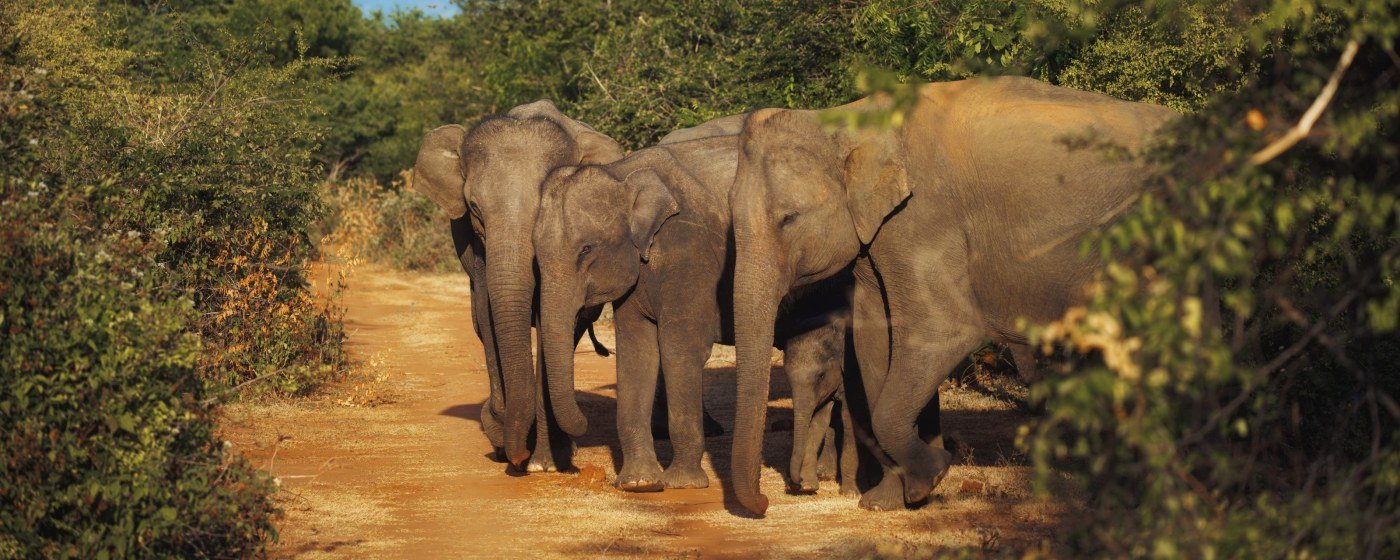
Udawalawe delivers what some parks make you wait for - large wild elephant herds in open terrain, visible throughout the day, at the reservoir edge in golden hour. The Elephant Transit Home adds an encounter with orphaned calves at scheduled feeding times that is genuinely affecting rather than staged.

Minneriya National Park

Site of one of Asia’s largest wild elephant gatherings

As the dry season lowers the Minneriya reservoir, wild elephant herds converge on the exposed lake edge in numbers that have no equivalent in Sri Lanka. During the peak months, hundreds of elephants gather in one place. Kaudulla National Park, five kilometres away, is active year-round and usually has elephant sightings outside the Minneriya season.
Wilpattu National Park

Sri Lanka’s largest national park - villu lakes, dry forest and almost no other visitors

Wilpattu is defined by its villu lakes, natural circular water holes in the forest that hold water through the dry season and attract wildlife throughout the day. Far fewer visitors than Yala, a very different atmosphere, and a quality of photographic light that serious wildlife photographers often prefer. Leopard sightings are possible but not promised.

Kumana National Park

Sri Lanka’s most underrated wildlife region - wetlands, leopards and coastal forest

Kumana sits at the eastern end of the Yala complex and offers a very different experience - dense wetland habitat, lagoon systems and coastal forest that are among the most productive birdwatching environments in South Asia. Leopards and elephants are present. The sense of remoteness makes Kumana worth including for travellers who have already done Yala.

Adam’s Peak (Sri Pada)

A mountain simultaneously sacred to four religions - the pre-dawn climb is the thing

Adam’s Peak is sacred to Buddhists, Hindus, Muslims and Christians, each tradition with its own name for the footprint at the summit and its own understanding of what it records. The pre-dawn climb, with lanterns on the stone steps and thousands of people from all four traditions ascending together in the dark, is an experience with very few equivalents. The triangular shadow cast westward at dawn is the payoff.

Anuradhapura - Sri Maha Bodhi

The oldest documented living tree on earth - planted in 288 BC

The Sri Maha Bodhi in Anuradhapura is a direct cutting from the original Bodhi Tree under which the Buddha attained enlightenment, planted here in 288 BC and continuously tended since. It is the oldest documented living tree on earth. The atmosphere at the tree on a Poya full moon day, when pilgrims arrive from across the island in white, is unlike anything in the standard heritage circuit.

Kataragama

Multi-faith pilgrimage site - fire-walking, oil lamps and the sacred Menik Ganga

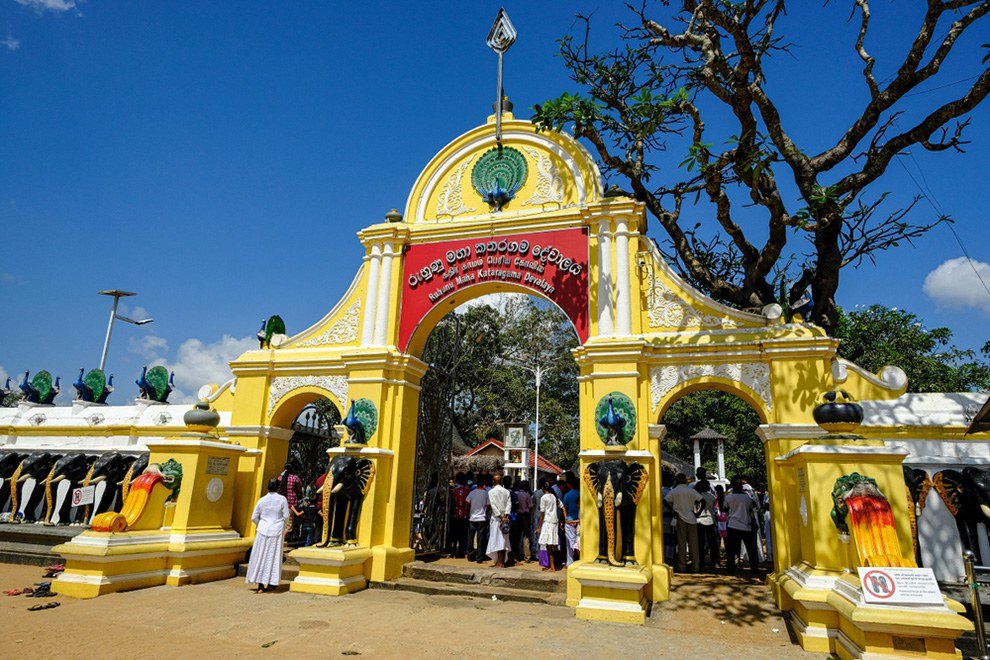
Buddhist, Hindu and Vedda shrines built around the sacred Menik Ganga river in the deep south. The Esala festival in July and August involves fire-walking and acts of devotion performed for devotion rather than audience, a different experience from attending a cultural show. The oil lamps reflected in the river at dusk are one of Sri Lanka’s most striking images.

Ritigala Forest Monastery

Ancient ruins being reclaimed by jungle - almost nobody comes here

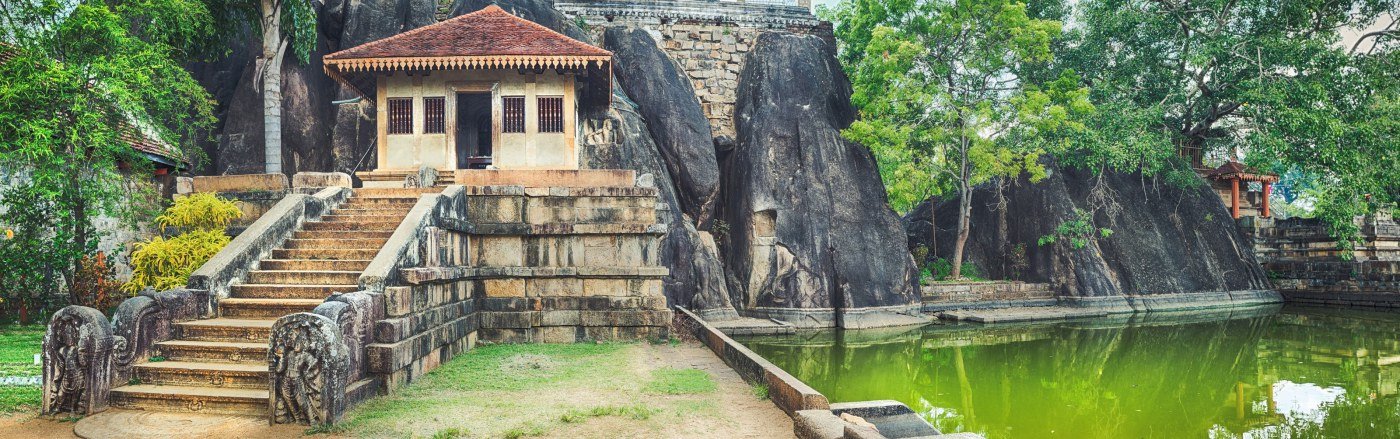
A ruined forest monastery in the dry-zone wilderness northwest of Minneriya, occupied by ascetic monks from the 1st century BC and now being slowly reclaimed by the forest. Stone meditation platforms, raised stone walkways and bathing pools. No gilded statues, no tourist infrastructure, almost no other visitors.

Nallur Kovil, Jaffna

The most important Hindu temple in Sri Lanka - at the spiritual heart of the Tamil north

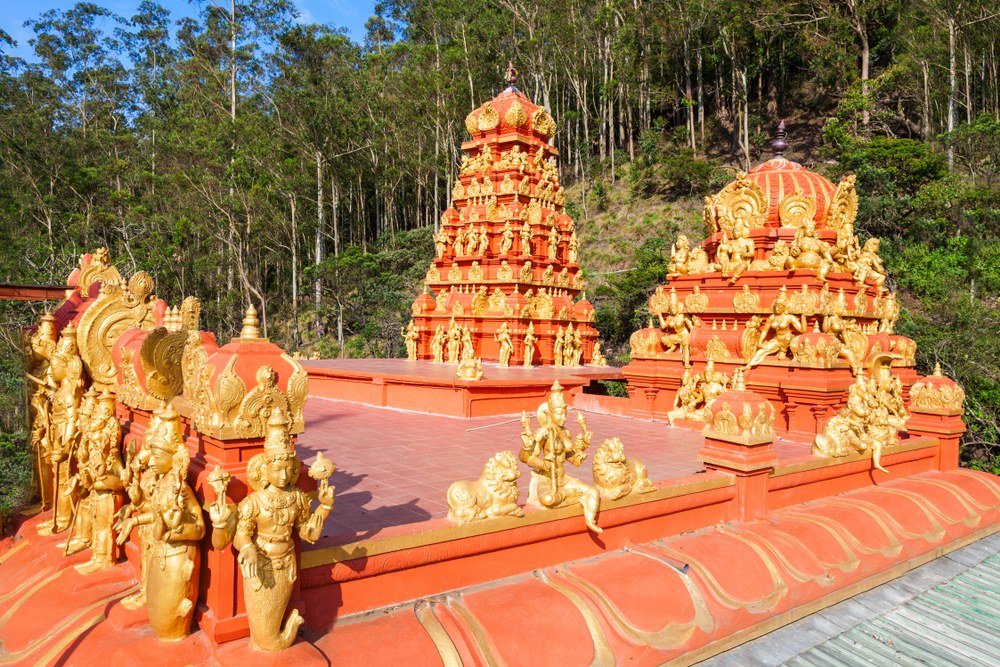
A towering Dravidian gopuram in the tradition of great South Indian temple architecture, in Jaffna at the northern tip of the island. The evening puja fills the outer courtyard with conch shells, oil lamps and sacred ash. During the 25-day Nallur festival in August, it becomes one of the most intense pilgrimage concentrations in South Asia.

Gal Oya National Park

Boat safari on an ancient reservoir - elephants swimming between the islands

Gal Oya’s boat safari on Senanayake Samudraya is one of Sri Lanka’s most unexpectedly extraordinary wildlife experiences - wild elephants swimming between islands in a vast reservoir, sometimes within metres of the boat. Almost no other visitors. Gal Oya Lodge is among the most thoughtfully run eco-properties on the island.

Pidurangala Rock

The view over Sigiriya that most photographers actually want

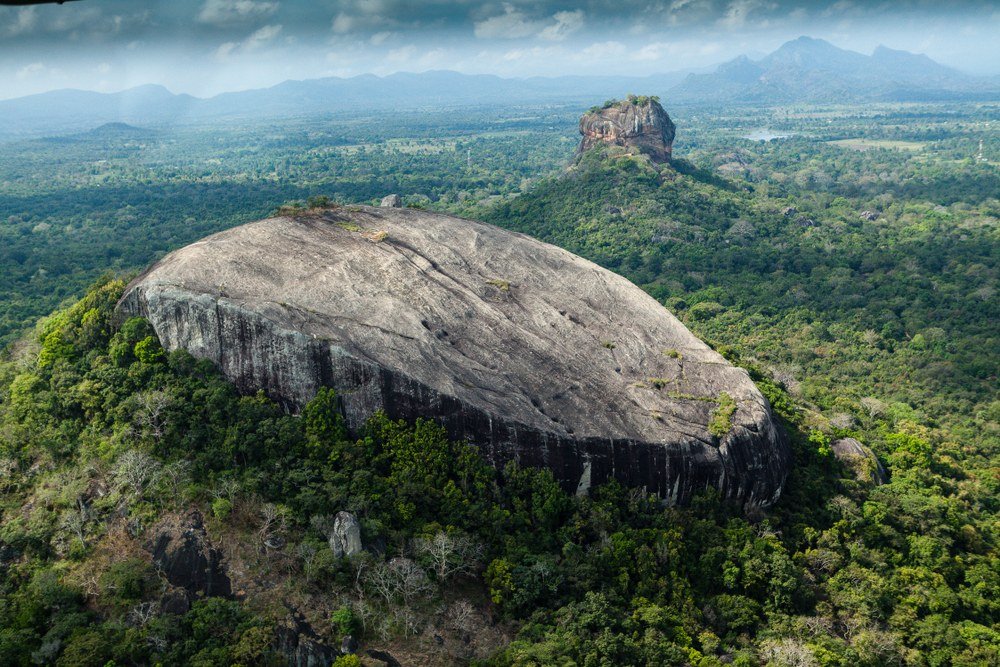
Pidurangala Rock is 20 minutes’ walk from Sigiriya and offers the view most photography-focused travellers want - Sigiriya itself rising above the jungle, best at sunrise when the light catches the face. Less crowded than Sigiriya, a shorter climb, no entrance fee.

Mulkirigala Rock Temple

A clifftop Buddhist temple with views across the southern plains - 30 minutes inland from Tangalle

A series of ancient cave temples built across the levels of a 90-metre granite outcrop, with panoramic views across the southern dry-zone plains from the top. Almost no other visitors. Thirty minutes from Tangalle and an hour from Galle, easy to include as a half-day from either south coast base.

Buduruwagala Rock Temple

9th-century Mahayana Buddhas carved from a granite cliff face - 30 minutes off the Ella to Yala road

A 9th-century Mahayana Buddhist rock temple 5km from Wellawaya - seven colossal figures carved from granite, with traces of original gilt paint still visible on the standing Buddha. Almost always visited without a crowd. On the direct route from Ella to Yala, it adds only 30 minutes.

Jaffna Peninsula - Delft Island and Northern Coast

The far north of Sri Lanka - colonial ruins, wild ponies and a coast unlike anywhere else on the island

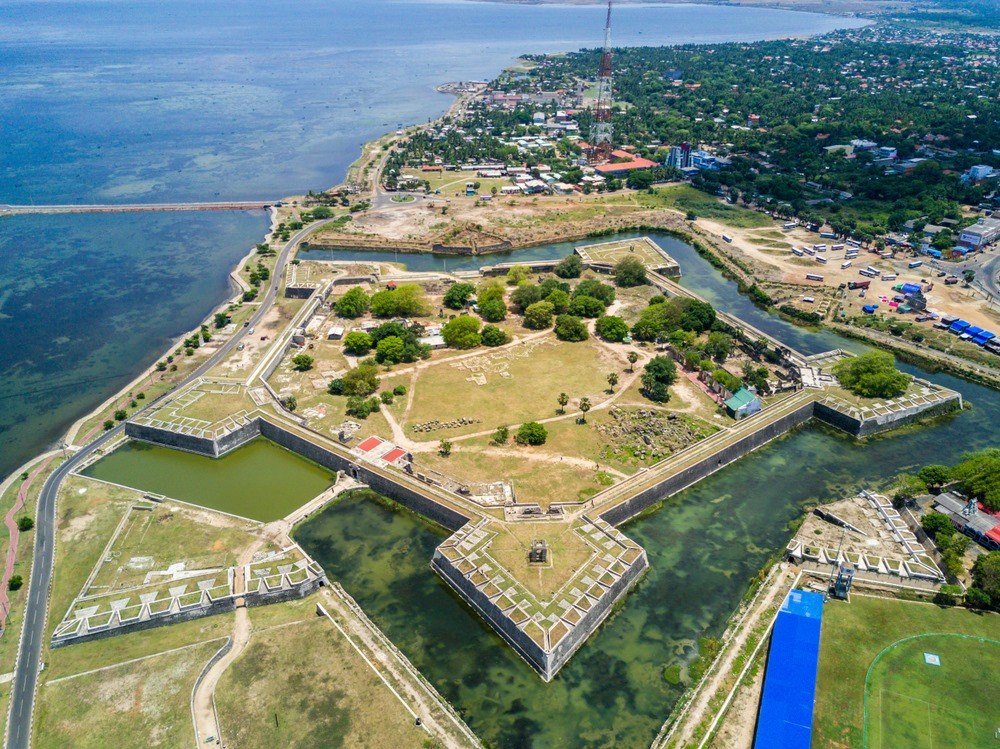
Delft Island, accessible by ferry from Jaffna, has wild horses descended from Portuguese stock, coral walls and ancient ruins in a landscape that looks nothing like the Sri Lanka of the standard circuit. The northern coast has a completely different quality of light and a pace that rewards those who have allowed themselves time.

Ready to see what Sri Lanka actually looks like?

Start planning your journey - Tailor-Made